Kings Cross Storage Recycling and Sustainability
 At Kings Cross Storage, sustainability is built into everyday operations. Our approach to recycling is designed to reduce landfill, support local recovery systems, and keep valuable materials in circulation for longer. We work towards a clear recycling percentage target of 90% for operational waste streams, measuring progress across cardboard, plastics, metals, wood, and office materials. This target reflects a practical commitment to better resource use, supported by careful segregation, staff awareness, and regular review of waste handling. By focusing on efficient sorting and responsible disposal, Kings Cross Storage recycling practices help ensure less waste goes to energy recovery or disposal than necessary.
Storage sites in inner London face a particular challenge: high volumes of mixed packaging, construction-related offcuts, and customer packaging materials can quickly become contaminated if not separated properly. That is why recycling at Kings Cross Storage is structured around clear material streams, including cardboard flattening, soft plastics collection, metal capture, and reuse of pallets where possible. We also support reuse-first thinking, which means items suitable for second life are prioritised before they enter a recycling route. This not only lowers environmental impact but also improves the quality of recyclable material sent onwards.
 A major part of our sustainability strategy is the use of local transfer stations. By routing sorted waste through nearby facilities, we help cut transport distances and improve the efficiency of collections. In London, proximity matters: shorter trips mean fewer emissions, quicker turnaround, and less congestion pressure on busy roads. Kings Cross Storage works with waste partners that can connect materials to local transfer stations for further sorting and onward processing, helping to keep recyclable loads within a more efficient circular system. These facilities are especially useful for mixed loads that need additional separation before they can be turned into new raw materials.
London boroughs often take different approaches to waste separation, and we align our site practices with the expectations of the areas we serve. That means paying attention to what can be recycled in borough-specific systems, such as paper and card, metal packaging, glass, and particular plastic formats. We also monitor changing guidance on items like film plastics, batteries, small electrical equipment, and wood offcuts, so we can route them correctly. This borough-aware approach supports better contamination control and makes Kings Cross Storage recycling more resilient as local requirements evolve.
We also recognise the value of partnerships with charities as part of a broader sustainability plan. Where suitable items can be reused rather than broken down, we look to connect them with charitable organisations and community groups that can give them a new purpose. Office furniture, shelving, duplicate household items, and surplus supplies may be suitable for donation, subject to condition and safety checks. These partnerships extend the life of usable goods, reduce unnecessary disposal, and support local organisations that benefit from affordable or donated resources. In this way, recycling and reuse at Kings Cross Storage work hand in hand.
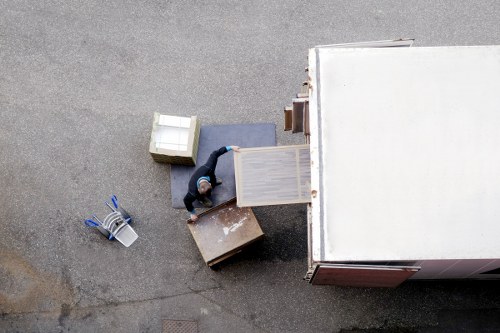 Our waste management approach also includes attention to specialist streams that are common in urban storage environments. Cardboard and paper remain core recyclable materials, but we also handle shrink wrap, tapes, mixed plastics, and occasional metal fixings from shelving and packaging. Where required, items are separated for dedicated recovery routes to improve material quality. Recycling Kings Cross Storage is therefore not just about collecting waste, but about making sure each stream is treated in the most appropriate way. The result is a more efficient system with fewer rejected loads and better environmental performance.
Transport is another critical part of our sustainability efforts, which is why we are introducing and prioritising low-carbon vans within our fleet operations. These vehicles help reduce emissions associated with local collections, internal moves, and site logistics. As part of our wider plan, we look for vehicles that deliver improved fuel efficiency, lower CO2 output, and reduced air pollution in busy city streets. In practical terms, this means that every collection or transfer can be made with a smaller environmental footprint. Combined with smarter route planning and consolidated pick-ups, low-carbon vans are an important step in reducing the overall impact of Kings Cross Storage sustainability.
We are also focused on training and operational habits that support greener outcomes. Staff are encouraged to separate recyclable materials at source, avoid contamination, and identify items that can be reused, repaired, or donated before they become waste. Simple steps such as keeping clean cardboard dry, bundling recoverable metals together, and isolating plastics from general rubbish can make a meaningful difference. This kind of disciplined sorting is especially useful in dense borough settings, where waste streams are highly mixed and collection efficiency depends on quality separation.
Another important part of the strategy is working with suppliers and service partners who share our environmental priorities. By choosing providers that support recycling-led disposal, local recovery infrastructure, and low-emission transport, Kings Cross Storage can extend sustainability beyond the depot itself. The aim is to create a chain of responsible action from the moment a material leaves a storage unit to the point where it is recovered, reused, or processed. With clear targets, local transfer station use, charity partnerships, and low-carbon vans, Kings Cross Storage recycling and sustainability continue to move toward a cleaner, more circular future.
 A further benefit of this approach is stronger reporting and accountability. By tracking how much material is recycled, reused, or sent to recovery, we can identify opportunities to improve the system year by year. This includes reviewing which waste streams are most common, where contamination occurs, and which materials could be diverted into better outcomes. For a London storage operation, such measurement is essential because waste volumes, tenancy patterns, and material types can change quickly. Clear data helps keep the recycling percentage target realistic while still encouraging continuous improvement.
We also take note of how local recycling trends influence day-to-day handling. In many boroughs, residents and businesses are encouraged to separate dry mixed recycling from general waste, and to keep food waste apart where dedicated collection exists. That philosophy informs our own practices: the cleaner the separation, the higher the likelihood that materials can be recycled successfully. In particular, cardboard, rigid plastics, metal cans, and wooden packing materials are prioritised for recovery where possible. By mirroring these expectations, Kings Cross Storage recycling services remain compatible with the broader local waste environment.
 Ultimately, sustainability at Kings Cross Storage is about more than a single action or policy. It is a practical framework that combines recycling targets, local transfer station partnerships, charitable reuse, and low-carbon vans into one joined-up approach. Each element supports the others: careful separation improves recycling quality, nearby transfer stations reduce transport emissions, charities extend the life of usable items, and cleaner vehicles help lower the carbon cost of operations. Together, these measures create a more responsible model for storage in London, with environmental performance built into the way the business works every day.